Losing a Child: Finding Peace in Orthodox Grief
There is no pain quite like this one. Losing a child breaks something in a person that was never meant to break. It doesn't follow the rules of grief. It goes against the natural order of things — and the heart knows it.
People who ask this question are not looking for a philosophy lesson. They are asking because they are still breathing, and they don't know why. They are asking because the world kept moving when theirs stopped. They are asking because love didn't end when the life did — and now that love has nowhere to go.
The Orthodox Christian tradition does not offer easy comfort here. It doesn't rush to explain the loss or wrap it in neat spiritual language. Instead, it points to something older and quieter — the idea that grief itself can become a kind of prayer. In this tradition, the Mother of God, Mary, is not just a distant holy figure. She is a mother who watched her own child die. She is believed to know this pain from the inside. When a grieving parent cannot find words, the Orthodox understanding is that they don't need to. Sitting in silence before her icon — the painted image used as a window toward the sacred — is enough. The body bowing. The forehead pressed against wood. That is prayer too.
There is also something important in the image of incense rising in a dark church. In Orthodox worship, incense is used as a symbol of prayer lifting upward — even when it cannot be seen, even when the room is too dark to follow the smoke with your eyes. The tradition suggests that something continues to rise even when you can't feel it. Your grief, your love, your broken silence — all of it is still moving, even when you are not. You do not have to generate faith right now. You only have to stay in the room.
The most powerful idea here is this: you are not required to be strong. You are not required to understand. You are not required to pray the right words or feel the right things. The Orthodox path through this kind of loss is not about getting back to normal — it is about being held inside something larger than the pain, even when you cannot sense it holding you.
Imagine a father, months after losing his daughter, who walks into a small church not because he believes anything, but because he has nowhere else to go. He sits in the back. He doesn't light a candle. He doesn't cross himself. He just sits. An old woman nearby moves her lips in quiet prayer. The candles flicker. The smell of incense drifts from somewhere he can't see. He doesn't feel better. But for the first time in weeks, he doesn't feel completely alone. Something in the room is doing what he cannot do. And somehow, that is enough to make him come back the next day.
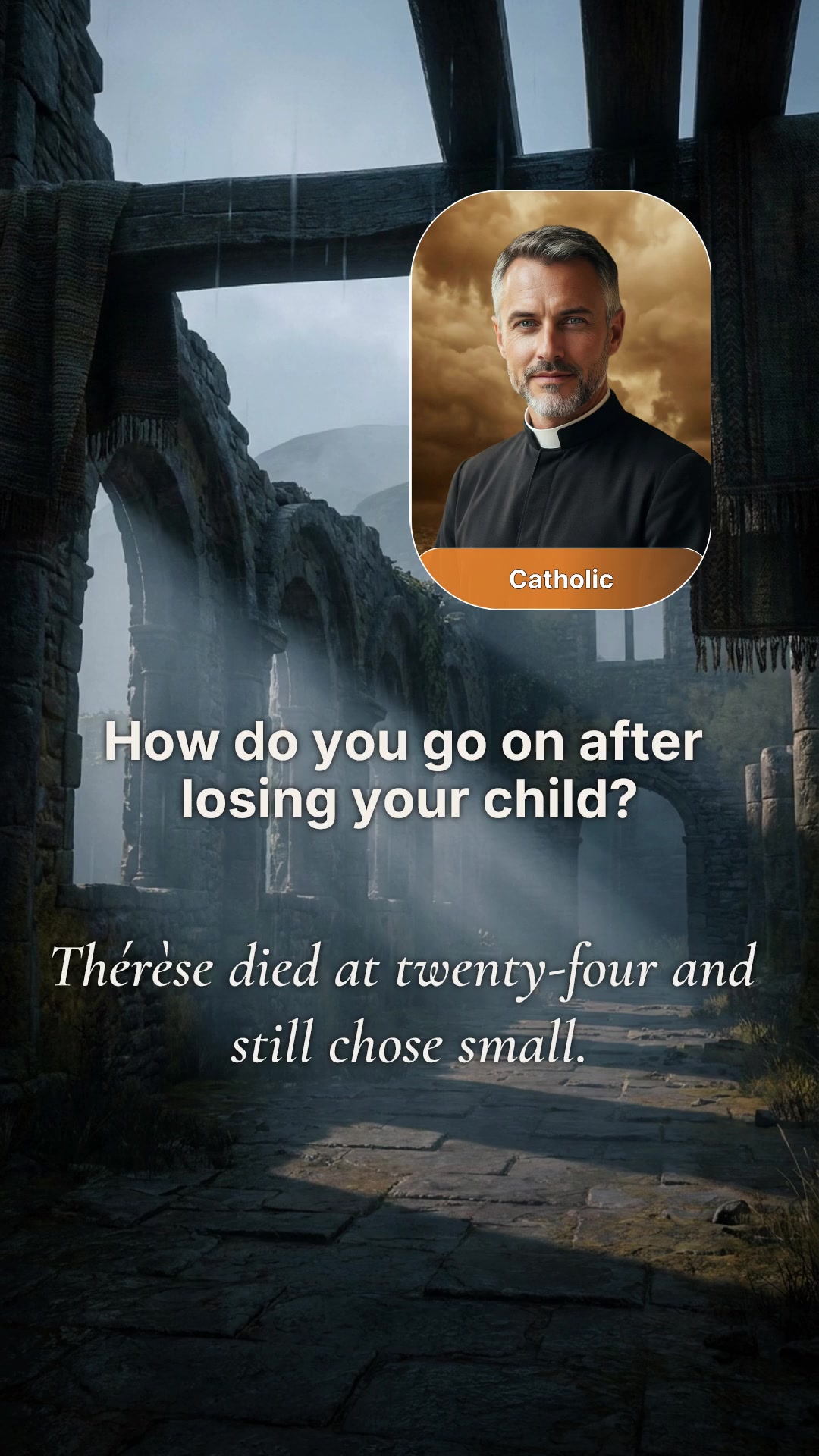
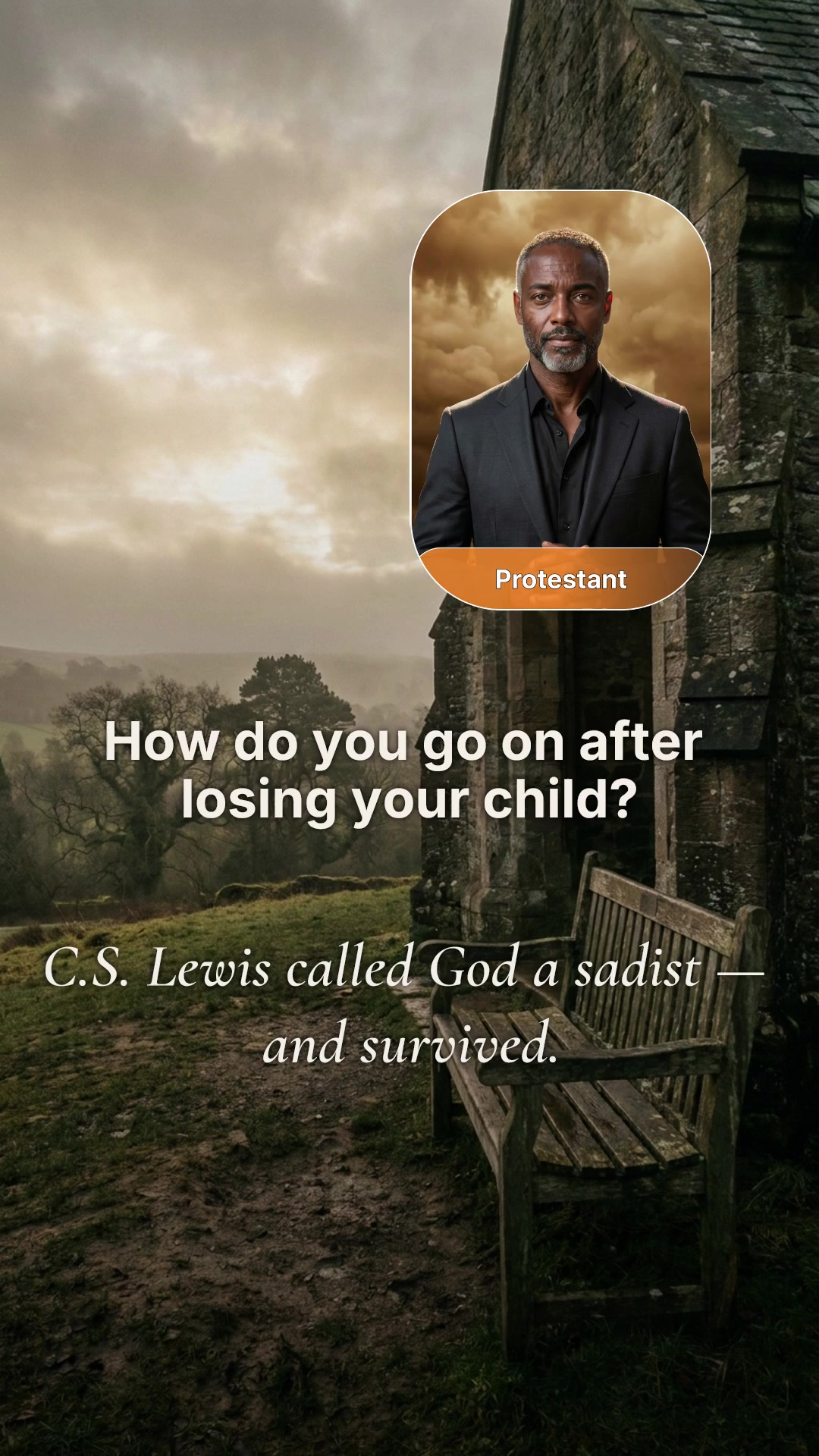
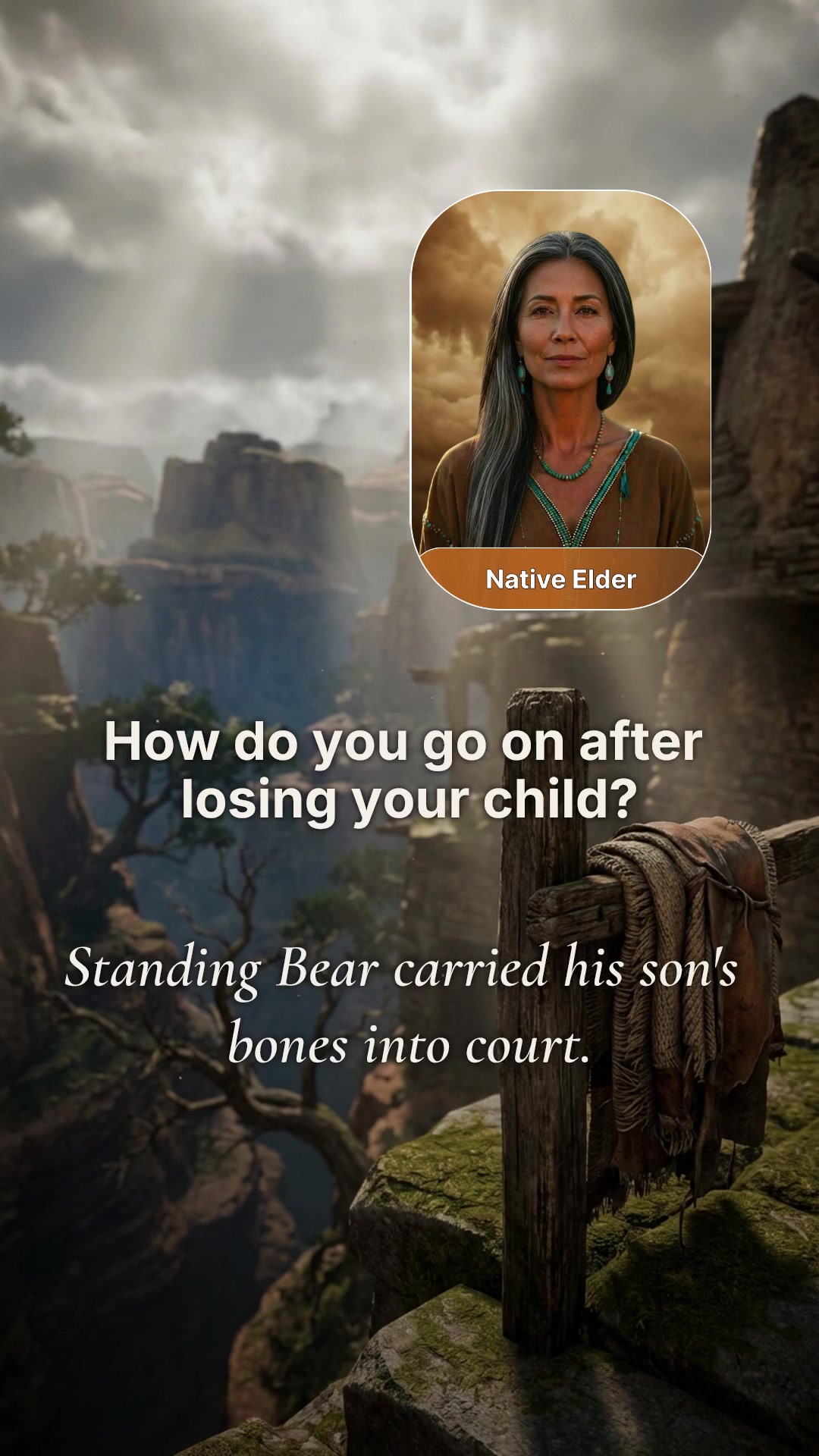
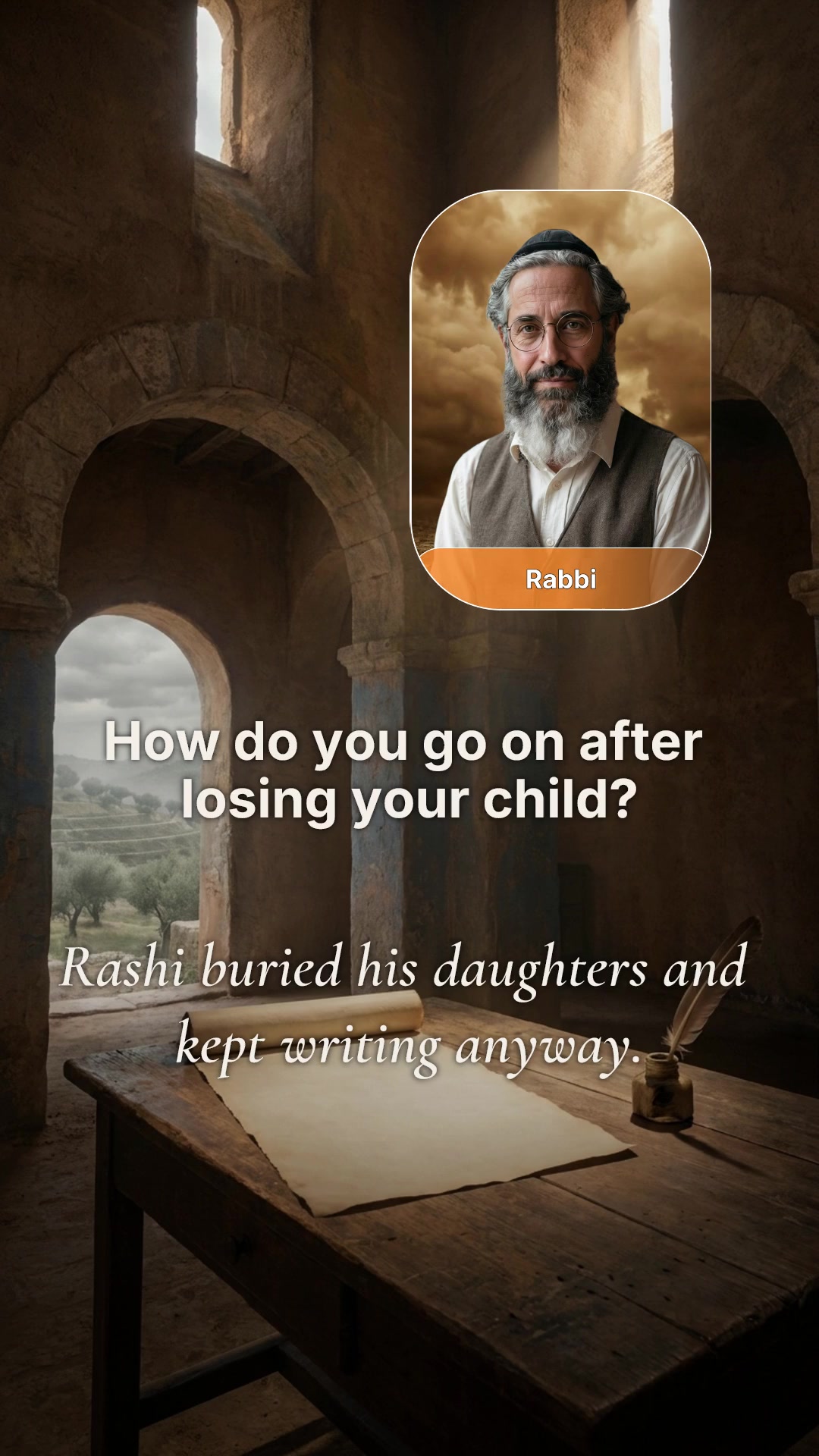
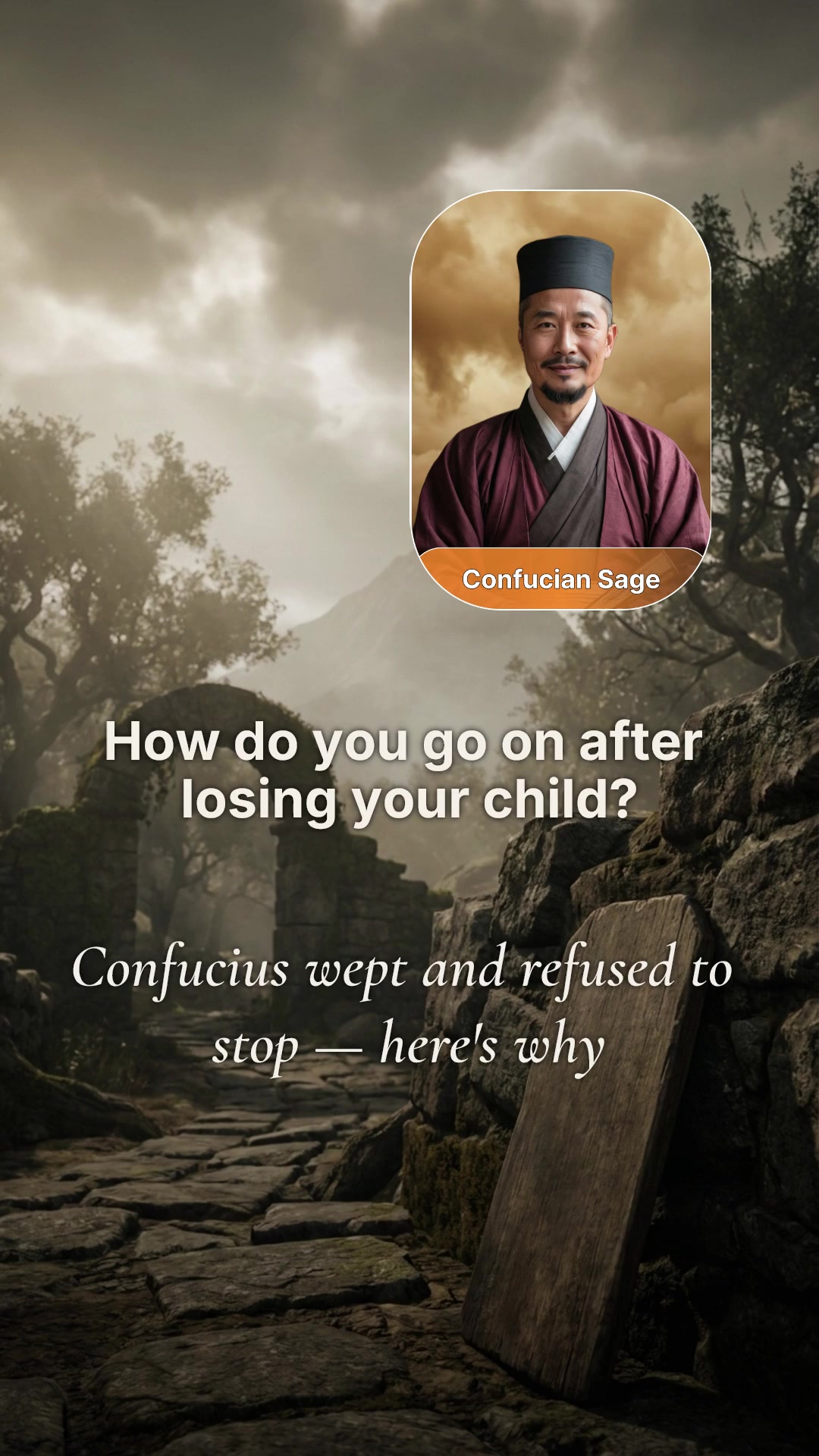
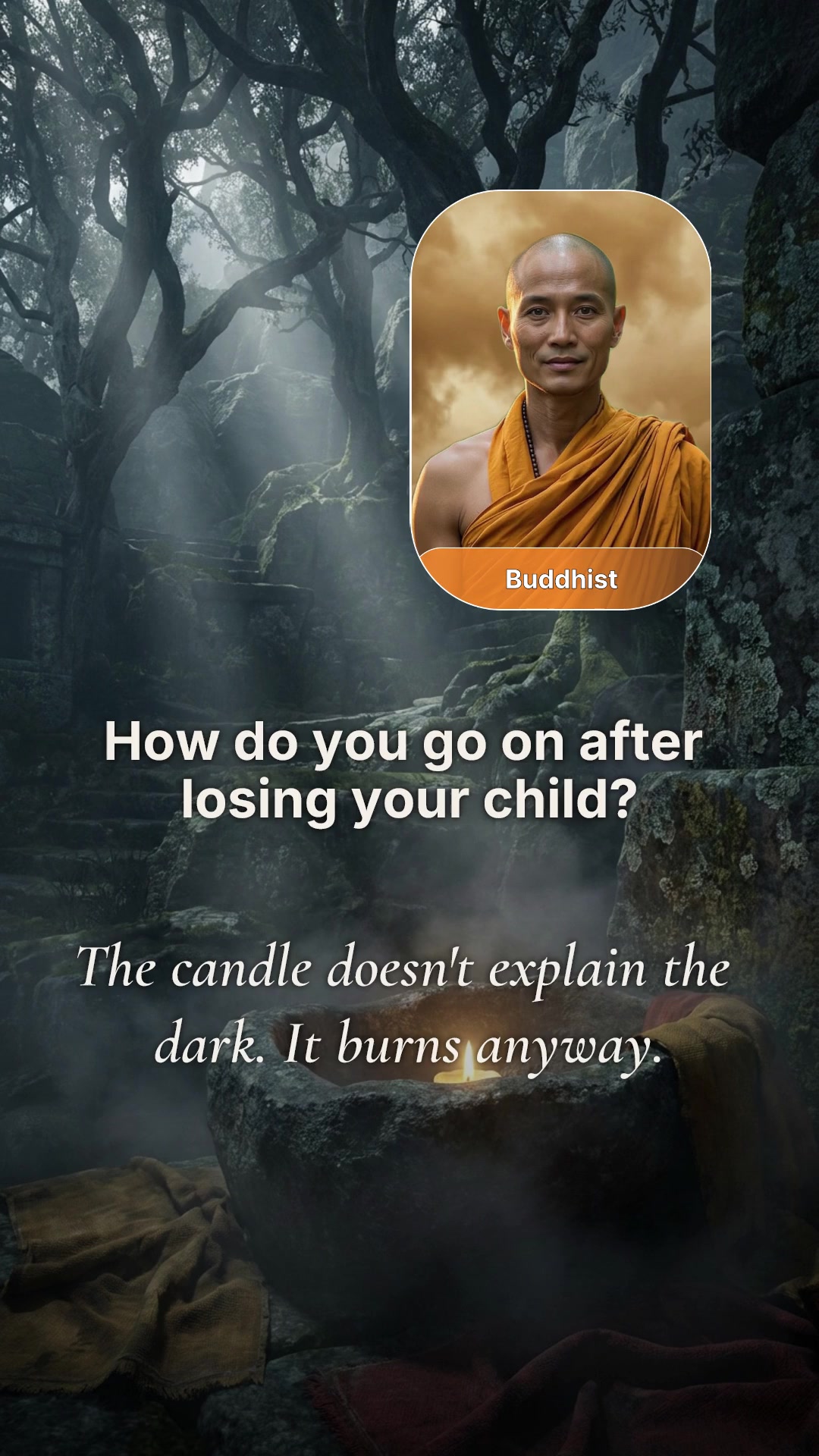
Other traditions hold this question differently. A Buddhist Sage might speak about grief as something to be fully entered rather than escaped. A Rabbi might turn to the ancient practice of communal mourning — the idea that grief was never meant to be carried alone. A Daoist Sage might reflect on how nature itself moves through loss without resistance. A Native Elder might speak of the child's spirit remaining close, still part of the circle. One question. Nine different paths.
Compare all nine answers and see which one speaks to you most.
One question. Nine perspectives
See how different AI guides answer the same question: “How do you go on after losing your child?”
Fresh reflections, thoughtful answers, and video insights from our guides — for moments when you need clarity, comfort, or perspective.